
Termite treatment
Mud Tubes on Your Walls? What Termites Are Really Doing to Your Home
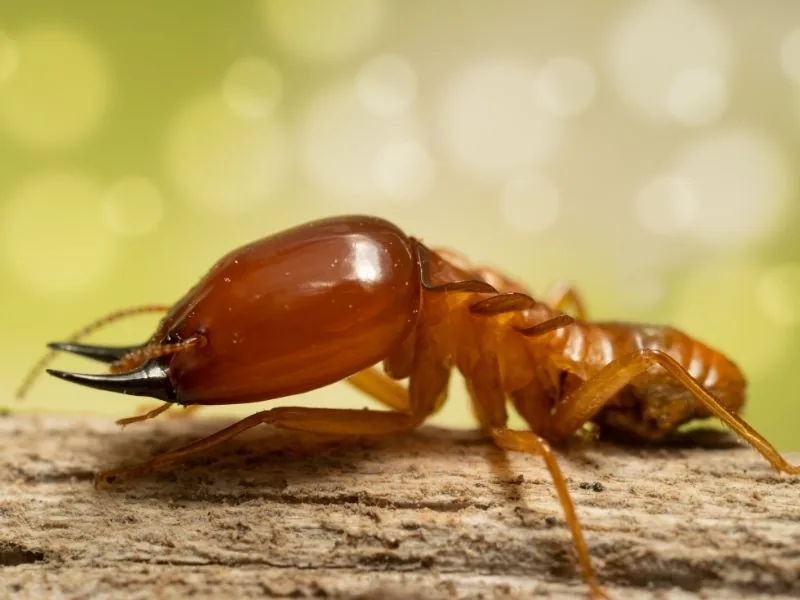
Thin lines of dried mud running up a wall or foundation are easy to overlook — but they're one of the clearest warnings of an active termite colony. By the time you notice them, termites have usually been working through your timber, unseen, for some time.
Termites cause structural damage quietly, which is what makes them so costly. Knowing what those signs mean helps you act before the damage becomes serious.
What mud tubes and hollow timber really mean
Subterranean termites build mud tubes to travel between their nest and your building while staying hidden and moist. Their presence means the colony is actively reaching your property's timber.
Other signs include hollow-sounding or sagging wood, discarded wings near windows after a swarm, blistered paint and frass near infested timber. Each one points to activity that's already underway behind the surface.
Why termites are so expensive to ignore
A termite colony is large and works out of sight, so the damage accumulates before anyone notices. Left unchecked, it can compromise structural timber — joists, beams and frames — and directly affect both the safety and the value of your property.
Spot treatments of visible termites don't reach the colony, so the damage simply continues elsewhere.
How professional termite treatment protects your property
We carry out a detailed survey to detect activity, entry routes and the species, then design a targeted plan — soil barriers, baiting systems or localised treatment. Baiting works back to eliminate the colony itself, not just the termites you can see.
Finally, monitoring stations and barriers provide long-term protection. See our termite treatment in Marbella.
Frequently asked questions
How can I tell termites from flying ants?
Termite swarmers have straight bodies and equal-length wings; we confirm the species during inspection.
Will treatment disrupt my home or business?
Most treatments are low-disruption. We plan around your schedule and explain every step.
Do you provide long-term protection?
Yes. Monitoring stations and barriers protect against re-infestation over time.